Symbol Community

Welcome to Symbol & NEM. Empowering the world with robust and easy-to-use blockchain infrastructure!

The website of the public blockchain symbol that breathes new thought into NEM. You can be the first to check out the latest news. You can also get information about the community.

A public blockchain inspired by NEM

After the original NEM blockchain launch in 2014, redevelopment under the codename 'Catapult' began with the intention of improving performance, enhancing functionality, and the refining the consensus algorithm. In 2021, 'Symbol' was launched as a distinct blockchain using the completed 'Catapult' codebase. Several months after launch, a successful 'community hard fork' across both NEM and Symbol established a new path forward; this new direction includes an emphasis on engaged community, genuine decenteralization, and a vision of a novel protocol layer facilitating universal cross-chain collaboration that would eventually emerge from NEM and Symbol

Advanced Functionality

Robustness and flexibility

Symbol has rock solid interfacing and excellent extensibility through its plugin-based architecture. Developers can easily combine and utilize advanced plug-in interfaces inclidng a Command Line Interface, public SDK, and REST APIs. Developers do not have to start from scratch, and off-chain application developement avoids immutable bugs, exposed code, and countless hours spent verifying and debugging before deployment.

Advanced transaction logic

'Aggregate transactions' are a key differentiator for the Symbol blockchain. These allow the bundling of multiple transactions from one or more address with one or more signatures required before the transaction(s) can be processed. These transactions have a 48 hour signing window before timing out. The transaction remains in a partial or 'bonded' state until it is finalized, effectively leaving it cached on the blockchain until approval or timeout. As a built-in feature it can be easily leveraged by end users or implemented in complex technical solutions. The Symbol blockchain natively facilitates complex multi-part transactions without the need for cumbersome smart contracts.

Easy/convenient

Symbol allows developers and users to easily issue their own tokens (assets), called 'mosaics', in addition to its native currency 'symbol:xym', in the Symbol chain. Mosaics can be sent and received via transactions in the same way as native currency XYM and can facilitate multiple use cases on the Symbol blockchain, i.e. a 'unique currency', centerally managed 'certificate' issuance, Non-Fungible Tokens, and so on. The 'namespace' features allow the labeling of mosaics and accounts as well as metadata, much like domain names on the Internet.

Supporting Safe Transactions

Built-in security for multisig signatures

Native support for multi-signature accounts allows up to 25 signatories and up to 3 signatory levels. The combination of multi-signature and multi-level logic approach enables extreme flexibility in approval logic. In the event of one signatory losing their private key or requiring removal, access to the multisig account can be adjusted with the signatures of all the other co-signatories. This facilitates the design of security and flexible operation of the blockchain implementation according to the user's practice.

Provide a powerful, stable, secure, and fast solid network with a Four-Layered Architecture

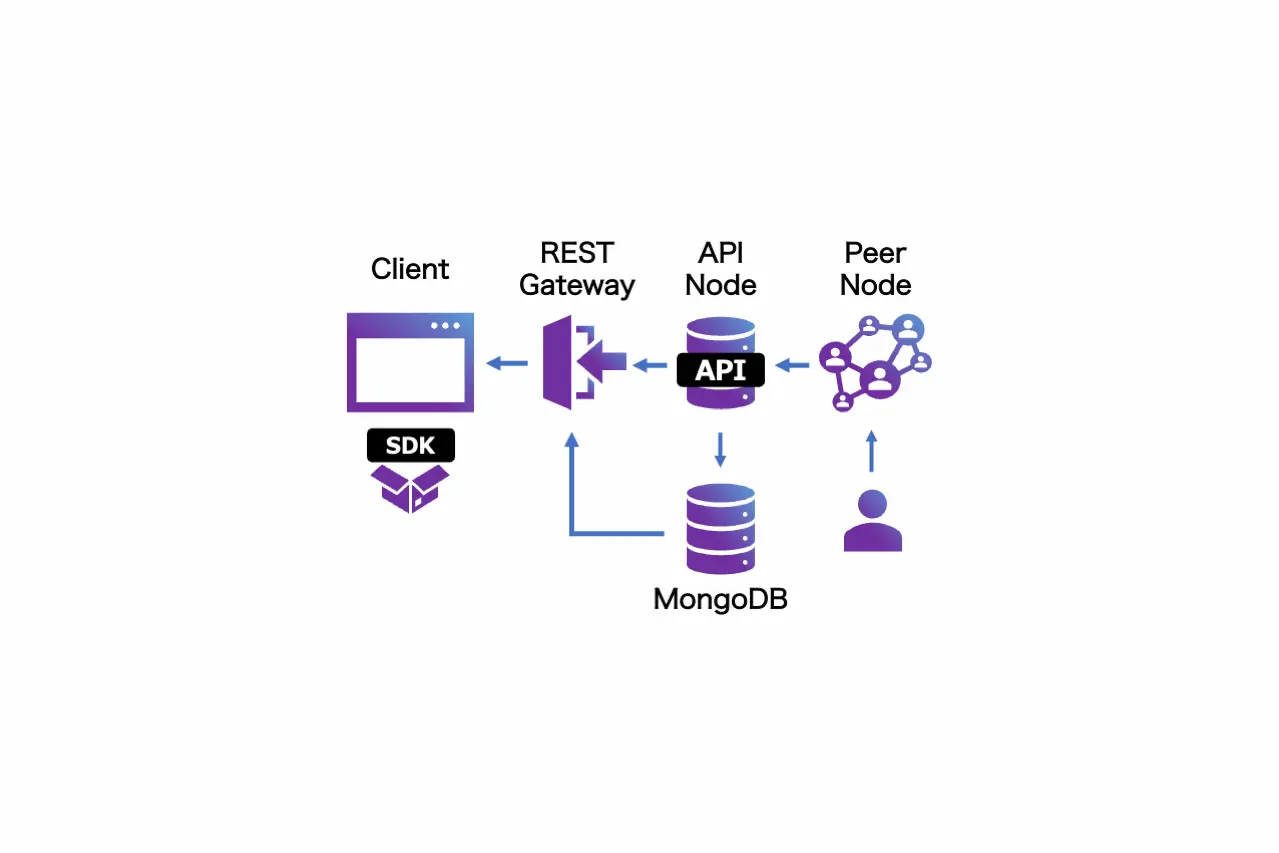
The Symbol blockchain is built on a multi-layered node architecture. PeerNodes maintains the network, decentralizing the Symbol chain and recording its transactions and history. APINodes interface with PeerNodes and wallets for transaction requests, history, and the generation of new blocks. API nodes also include Rest Gateways, which facilitate a wide variety of external requests from wallets and custom-built solutions. In addition to REST API gateways, Nodes also include a robust Command Line Interface that helps facilitate localized solutions and plugins. The Symbol Client consists of the wallet and the SDK; it is largely modularised to encourage innovation, ensure security, and simplify updates.

PoS+ consensus algorithm

Consensus algorithms are shared or mutually agreed upon by all participating nodes in a network, and is used in the generation of new blocks. In Symbol, the PoS+ (Proof of Stake Plus) consensus algorithm is adopted as an improved version of NEM's PoI (Proof of Importance) algorithm. Symbol's PoS+ mechanism allows nodes to periodically 'Harvest' new blocks proportionate to their 'importance'. The PoS+ mechanism considers not only 'amount of staking', but it also promotes the ecosystem's health by rewarding participants based on their activity score which are counted through 'total fees used by the wallet' and 'number of times of reward in the past', using to discourage the continued concentration of wealth in certain accounts. The POS+ algorithm avoids unnecessary energy waste, and is much more environmentally friendly than the Proof of Work algorythms that secure many blockchains. Node operators and delegators are rewarded for their contribution to the maintainance of the chain via harvesting rewards. These rewards draw from a signifigant pool of XYM allocated for this purpose, and follow a declining reward rate schedule linked to Bitcoin's block reward model.

Community

News from the Community

View all
nem /symbol Advent Calendar 2025

nem /symbol Advent Calendar 2025

nem /symbol Advent Calendar 2025 is a collection of articles on the NEM/Symbol blockchain.

XYMPOSIUM2025 Archive (Daytime Session Part 4)

XYMPOSIUM2025 Archive (Daytime Session Part 4)

The archive of Part 4, 'Internal Community Discussion', from the daytime session of 'XYMPOSIUM 2025', which took place…

XYMPOSIUM2025 Archive (Daytime Extra Session)

XYMPOSIUM2025 Archive (Daytime Extra Session)

The archive of Extra Session, 'Q&A Section', from the daytime session of 'XYMPOSIUM 2025', which took place on 19 Septe…

XYMPOSIUM2025 Archive (Daytime Session Part 3)

XYMPOSIUM2025 Archive (Daytime Session Part 3)

The archive of Part 3, 'Discussion with external members', from the daytime session of 'XYMPOSIUM 2025', which took pla…

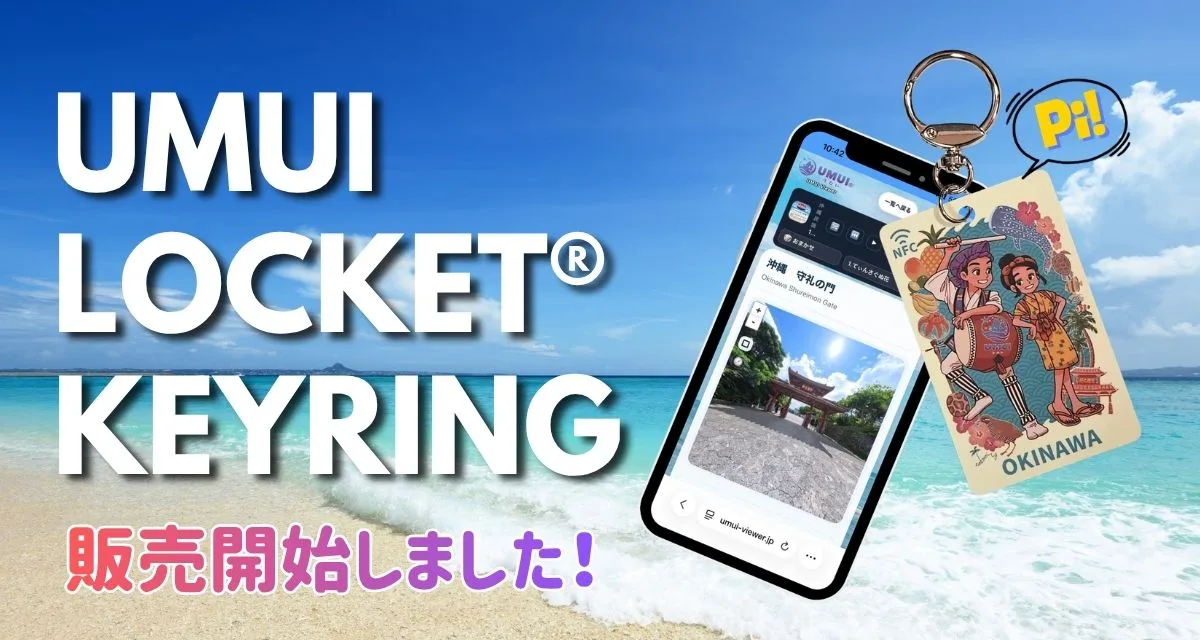
The brand-new 'Everyday Symbol' website has launched

The brand-new 'Everyday Symbol' website has launched

Everyday Symbol, a website that compiles information on venues accepting Symbol payments, has been renewed.

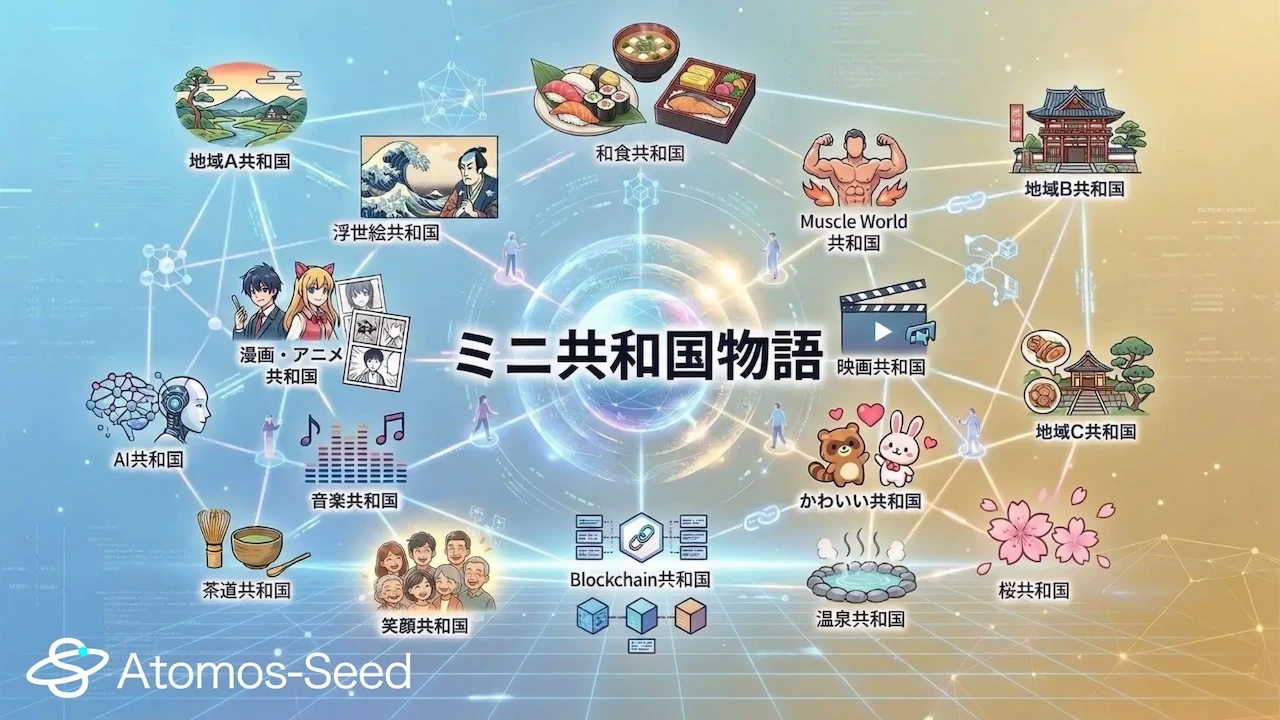
A regional DAO project that uses blockchain launched in Shiwa Town, Iwate Prefecture, Japan

A regional DAO project that uses blockchain launched in Shiwa Town, Iwate Prefecture, Japan

A regional DAO project that uses blockchain launched in Shiwa Town, Iwate Prefecture, Japan

Documents

The core contributors behind NEM learned countless lessons along the way, and these lessons have heavily influenced Symbol. Symbol was designed with usability and extensibility in mind; while wallets profoundly enable the average user, the boundless extensibility provided by the SDK, CLI, and Rest API effectively shatter barriers to development. You do not need to learn cryptography nor a specific programming language in order to profoundly interact with the blockchain; even junior developers and hobbiests can build with ease.

View all

How to use symbol-shoesting (beta version)

A beta release of the symbol-bootstrap replacement tool is now available.

How to move the Symbol node

Explains how to transfer an existing node to another server

Symbol Tokenomics

About Symbol Tokenomics, explain about the basics of the protocol.

Start Symbol

How to Choose a Wallet

The core contributors behind NEM learned countless lessons along the way, and these lessons have heavily influenced Symbol. Symbol was designed with usability and extensibility in mind; while wallets profoundly enable the average user, the boundless extensibility provided by the SDK, CLI, and Rest API effectively shatter barriers to development. You do not need to learn cryptography nor a specific programming language in order to profoundly interact with the blockchain; even junior developers and hobbiests can build with ease.

Things to watch out for

The core contributors behind NEM learned countless lessons along the way, and these lessons have heavily influenced Symbol. Symbol was designed with usability and extensibility in mind; while wallets profoundly enable the average user, the boundless extensibility provided by the SDK, CLI, and Rest API effectively shatter barriers to development. You do not need to learn cryptography nor a specific programming language in order to profoundly interact with the blockchain; even junior developers and hobbiests can build with ease.

Where to consult when you need help

The core contributors behind NEM learned countless lessons along the way, and these lessons have heavily influenced Symbol. Symbol was designed with usability and extensibility in mind; while wallets profoundly enable the average user, the boundless extensibility provided by the SDK, CLI, and Rest API effectively shatter barriers to development. You do not need to learn cryptography nor a specific programming language in order to profoundly interact with the blockchain; even junior developers and hobbiests can build with ease.

Information for developers

The core contributors behind NEM learned countless lessons along the way, and these lessons have heavily influenced Symbol. Symbol was designed with usability and extensibility in mind; while wallets profoundly enable the average user, the boundless extensibility provided by the SDK, CLI, and Rest API effectively shatter barriers to development. You do not need to learn cryptography nor a specific programming language in order to profoundly interact with the blockchain; even junior developers and hobbiests can build with ease.

About Us

Symbol Community Web is run by members of the community. Meet the team behind the site.

Edit on GitHub